Quirk of Record Home

Category

Strange Historical Events

38 articles

Nothing Original Remains: The Pennsylvania Bridge That Legally Stayed the Same While Becoming Completely Different

Nothing Original Remains: The Pennsylvania Bridge That Legally Stayed the Same While Becoming Completely Different

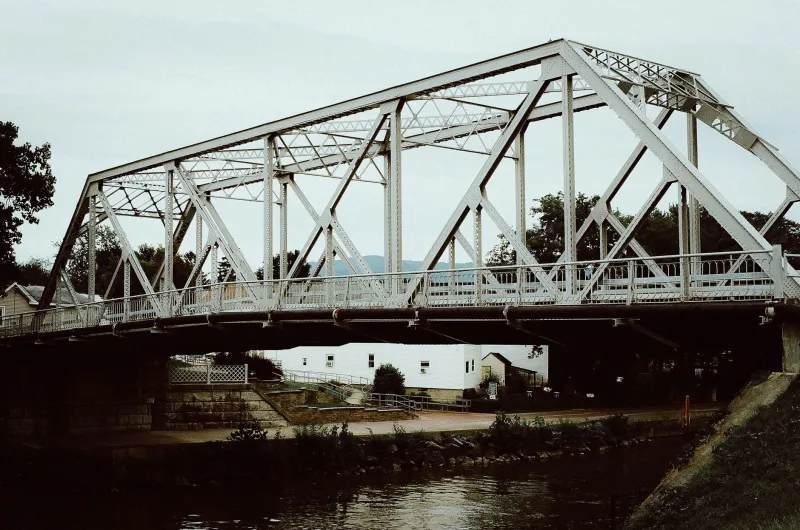
A Pennsylvania iron bridge built in 1872 with subtly wrong load calculations was quietly replaced one piece at a time over several decades until nothing from the original structure survived. Yet for insurance, historical, and legal purposes, officials kept certifying it as the exact same bridge — and the federal government eventually had to step in and decide what that even meant.

He Lost by 10,000 Votes and Spent Three Years in the Senate Anyway

He Lost by 10,000 Votes and Spent Three Years in the Senate Anyway

A single transcription mistake in a late 19th-century vote tally handed a U.S. Senate seat to the candidate who actually lost — and nobody caught it for years. By the time the error surfaced, reversing it turned into a constitutional puzzle that nobody had a clean answer for.

That Time a California Town Renamed Itself After a Brand Number and Couldn't Cash a Single Check

That Time a California Town Renamed Itself After a Brand Number and Couldn't Cash a Single Check

In a burst of mid-century promotional enthusiasm, a small California community voted to swap its perfectly good name for a corporate number — and then spent years trying to convince banks, courts, and the federal government that the town was real. What started as a publicity stunt became one of the most spectacularly self-inflicted bureaucratic disasters in American civic history.
Where America Meets Canada in Your Living Room: The Vermont Border Town Split Down the Middle

Where America Meets Canada in Your Living Room: The Vermont Border Town Split Down the Middle

When 19th-century surveyors drew the US-Canada border through Derby Line, Vermont, they accidentally created the only place on Earth where you can eat breakfast in America and wash dishes in Canada without leaving your kitchen. For over a century, residents have been accidentally committing international border violations just by walking to their mailbox.
The City That Voted to Stop Growing and Actually Made It Stick

The City That Voted to Stop Growing and Actually Made It Stick

In 1976, Boulder, Colorado did something no American city had ever attempted: they legally banned themselves from expanding. The voters didn't just suggest limiting growth — they wrote it into law with mathematical precision and enforcement mechanisms that would make zoning lawyers weep.

When Irish Veterans Decided to Conquer Canada With 800 Men and a Dream

When Irish Veterans Decided to Conquer Canada With 800 Men and a Dream

In 1866, a ragtag army of Civil War veterans crossed into Canada, captured a town, and held it for three days while the U.S. government frantically tried to figure out if they'd accidentally endorsed an invasion. The Fenian Brotherhood's bizarre military adventure nearly sparked an international incident — and might have succeeded if anyone had remembered to bring the supply wagons.

When a Texas Town Almost Traded Its Name for Hot Sauce Money

When a Texas Town Almost Traded Its Name for Hot Sauce Money

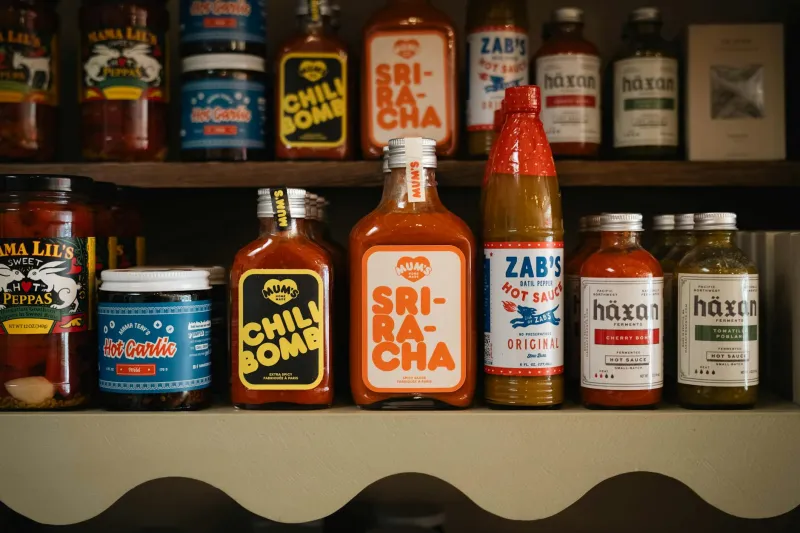
In 1998, Castroville, Texas seriously considered renaming itself after a hot sauce company in exchange for cash. The deal fell through, but it revealed a surprising pattern of American towns willing to sell their identities to the highest bidder.

For 30 Days in 1518, a French City Was Held Hostage by Uncontrollable Dancing — and the Government Made It Worse

For 30 Days in 1518, a French City Was Held Hostage by Uncontrollable Dancing — and the Government Made It Worse

In July 1518, a woman named Frau Troffea stepped into a street in Strasbourg and began dancing. She didn't stop for days. Within a month, nearly 400 people had joined her, some dancing until their feet bled, others until their hearts gave out. City officials, completely baffled, responded by hiring professional musicians — which, it turns out, was exactly the wrong call.